TeleNoc

Hikvision network solutions with CCTV camera, NVR and DVR system in Saudi Arabia by hikvision gold partner company in Riyadh KSA

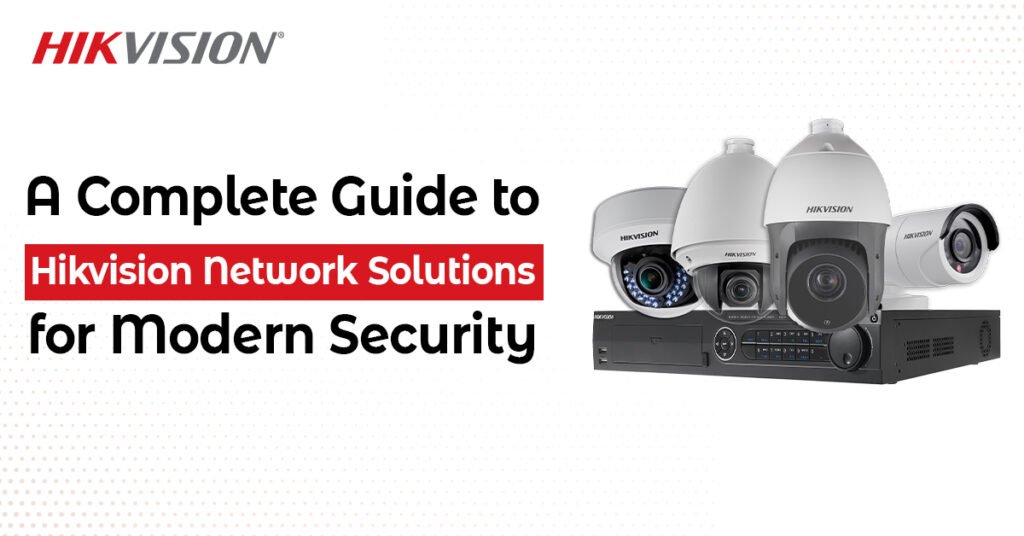
A Complete Guide to Hikvision Network Solutions for Modern Security

Modern organizations face rapidly evolving security challenges driven by digital transformation, hybrid work environments, and increasing threats to physical and cyber assets. Today, businesses require more than just traditional surveillance — they need intelligent, scalable, and integrated security solutions capable of real-time detection, prevention, and response. As a Hikvision Gold Partner in Saudi Arabia, TeleNoc provides end-to-end expertise in deploying, managing, and optimizing Hikvision’s powerful network solutions. This guide explores the complete range of Hikvision network technologies, their benefits, use cases, and how TeleNoc ensures successful implementation for organizations across the Kingdom 1. Why Modern Security Depends on Advanced Network Solutions Traditional analog CCTV systems are no longer sufficient for today’s high-risk, fast-moving business environments. Modern security requires: High-resolution video intelligence Reliable data transmission across networks Real-time monitoring and alerts Centralized management of large infrastructures AI-powered analytics for decision-making Scalability for future expansion Hikvision’s network ecosystem is designed to meet these requirements while improving operational efficiency. TeleNoc helps organizations leverage these capabilities to create future-ready, integrated security setups tailored to their exact needs. 2. Overview of Hikvision Network Solutions Hikvision offers a wide range of advanced network products that form the backbone of intelligent security infrastructures. These include: Network Cameras (IP Cameras) Network Switches & Transmission Systems Access Control Devices Video Intercom Systems Security Radar & Perimeter Protection Enterprise Cloud & Software Platforms 3. Hikvision Network Cameras: The Foundation of Smart Surveillance Hikvision’s IP cameras are known worldwide for their clarity, reliability, and AI-powered analytics. TeleNoc implements these solutions across industries such as retail, banking, real estate, healthcare, manufacturing, and government infrastructure. Types of Hikvision Network Cameras a. Fixed Network Cameras Ideal for entrances, retail spaces, offices, and corridors High-quality resolution (up to 4K) Advanced night vision with DarkFighter technology b. PTZ (Pan-Tilt-Zoom) Cameras 360° monitoring of large outdoor areas 30x–40x optical zoom Auto-tracking to follow suspicious movement c. Fisheye & Panoramic Cameras 360° view without blind spots Great for large halls, warehouses, and open areas d. Thermal Cameras Detect heat signatures in low visibility Critical for industrial sites, power plants, perimeter monitoring e. DeepinView & AI Cameras Human and vehicle detection Face recognition Queue management Behavior analysis (loitering, intrusion, line-crossing) Why Choose Hikvision Cameras? Crystal clear imaging Smart AI analytics Efficient storage compression Rugged weatherproof designs As a Gold Partner, TeleNoc ensures accurate placement, configuration, and optimization for maximum value. 4. Network Video Recorders (NVRs): The Power Behind Video Storage Hikvision’s NVRs are designed to reliably store, manage, and retrieve high-resolution footage from multiple network cameras. Features: Support for up to 32, 64, 128+ channels H.265+ compression for up to 80% storage savings Intelligent search based on face, vehicle, motion RAID support for data protection 24/7 recording and remote access Why TeleNoc Recommends Hikvision NVRs TeleNoc architects NVR storage structures based on client needs — whether it’s small office retention of 7 days or enterprise-scale retention of 6+ months. 5. Network Switches & Transmission Systems For large distributed sites, the stability of data transmission is critical. Hikvision’s network switches ensure cameras and devices perform consistently. Hikvision Network Switch Types PoE Switches – Power + data for IP cameras Managed Switches – Advanced traffic control Unmanaged Switches – Plug-and-play simplicity Optical Transmission Devices – Fiber connections for long distances TeleNoc deploys and configures Hikvision switches for camera networks, data centers, smart buildings, and industrial environments. 6. Access Control Solutions Modern security extends beyond cameras — identity management is essential for controlling, tracking, and protecting access to facilities. Hikvision Access Control Includes: Card & PIN terminals Face recognition terminals Fingerprint access Turnstile and gate integration Time & attendance systems These systems integrate seamlessly with Hikvision cameras and software. 7. Hikvision Video Intercom Systems Video intercom systems enhance communication and entry validation across residential and commercial buildings. Features Include: Indoor and outdoor stations Mobile app integration High-definition video calling Visitor logs and snapshots Door access integration TeleNoc deploys intercom solutions for gated communities, apartments, villas, hotels, and corporate reception areas. 8. Perimeter Security & Radar Protection For high-risk locations such as warehouses, airports, industrial sites, and sensitive government facilities, Hikvision offers advanced perimeter security. Solutions Include: Security radars Dual-lens cameras Thermal detection systems Motion and intrusion analytics Smart alarms with real-time notifications These systems provide wide-area protection against trespassing, vehicle intrusion, and environmental risks. 9. Hikvision Software & Cloud Platforms The real power of a modern security system lies in central management and analytics. HikCentral Professional A full-featured security management platform that integrates: Video surveillance Access control Alarms & event management Attendance Parking management Visitor management Why Choose TeleNoc as Your Hikvision Implementation Partner? As a Hikvision Gold Partner, TeleNoc offers unmatched value in solution delivery: Certified Expertise TeleNoc engineers are trained and certified to design, install, and configure Hikvision’s complete security ecosystem. Seamless Integration TeleNoc ensures all devices — cameras, NVRs, access control, alarms, and software — work as one unified system. 24/7 Support & Maintenance TeleNoc provides ongoing monitoring, device health checks, and rapid technical support. Customized Solution Design Every business has different security needs — TeleNoc engineers build tailored security frameworks based on location, risk, & budget. Enterprise-Grade Implementation From small office networks to multi-site security infrastructures, TeleNoc delivers reliable and scalable deployments. Competitive Pricing As a Gold Partner, TeleNoc offers competitive pricing and priority access to Hikvision technologies. Building Smarter, Safer Environments with TeleNoc & Hikvision Security is no longer about just recording what happened — it’s about preventing threats before they occur, improving operations, and creating safe spaces for people and assets. Hikvision’s advanced network solutions bring intelligence, clarity, and reliability to organizations of all sizes. As a Hikvision Gold Partner in Saudi Arabia, TeleNoc empowers businesses with world-class security infrastructure backed by professional design, installation, and ongoing support. Whether you’re upgrading an existing system or building a new one, TeleNoc ensures your security environment is modern, scalable, and future-ready.


A Complete Guide to Hikvision Network Solutions for Modern Security Read More »

How Odoo Implementation Services Streamline Your Business Operations

In today’s fast-paced digital landscape, businesses are constantly seeking smarter, more efficient ways to manage their operations. From inventory and sales to HR and accounting, juggling multiple software tools can lead to inefficiencies, data silos, and wasted resources. This is where Odoo implementation services step in to transform how businesses operate—by integrating everything into a single, unified platform. Odoo, an all-in-one business management software, offers a suite of customizable applications tailored to every business need. But the real magic lies in the implementation—how it’s set up, customized, and integrated into your operations. In this article, we’ll explore how professional Odoo implementation services can streamline your business operations and unlock your company’s full potential. What Is Odoo? Odoo is a comprehensive suite of open-source business applications covering everything from CRM, eCommerce, and accounting to manufacturing, inventory, and HR. Unlike traditional ERP systems that are complex and costly, Odoo is modular, flexible, and cost-effective—making it an ideal choice for small to medium enterprises (SMEs) and even large organizations. However, to fully leverage the power of Odoo, businesses must implement it correctly. This is where Odoo implementation services come into play. Why Odoo Implementation Services Matter Implementing an ERP system isn’t just about installing software—it’s about aligning technology with business goals. Professional Odoo implementation ensures: Proper customization to fit your workflows Integration with existing tools and systems Data migration without loss or corruption Training for your team to adapt quickly Ongoing support to resolve issues and ensure scalability Key Ways Odoo Implementation Services Streamline Business Operations Let’s dive into the specific ways Odoo implementation services can simplify and enhance various aspects of your business: Centralized Business Management With Odoo, all your departments—sales, inventory, accounting, HR, marketing, etc.—can operate under one digital roof. An expert implementation team will help configure modules based on your specific needs, ensuring seamless collaboration and real-time data sharing across departments. Benefit: No more juggling between multiple platforms. Decision-making becomes faster with a single source of truth. Automated Workflows Odoo’s automation capabilities can significantly reduce manual tasks, improving speed and accuracy. Implementation experts configure workflows tailored to your business logic—for example, auto-generating invoices after a sale or updating inventory in real-time after a purchase. Benefit: Reduced human error, faster turnaround times, and improved productivity. Enhanced Customer Relationship Management (CRM) Odoo’s CRM module helps you track leads, manage customer interactions, and convert opportunities. A professional implementation ensures this module is aligned with your sales pipeline and integrated with email, phone systems, or third-party tools. Benefit: Better customer insights, higher conversion rates, and improved customer satisfaction. Smarter Inventory & Supply Chain Management Odoo can optimize your entire supply chain—from purchasing to warehouse management. With barcode scanning, automated reordering, and detailed reporting, implementation services help you maintain optimal inventory levels and reduce carrying costs. Benefit: Real-time inventory tracking, reduced stockouts or overstock, and improved supply chain efficiency. Accurate and Compliant Accounting One of the most appreciated aspects of Odoo is its robust accounting module. During implementation, professionals ensure it is customized to local tax regulations, chart of accounts, and business-specific financial flows. Benefit: Real-time financial reporting, automated reconciliations, and full compliance with local laws and international standards. Data Migration Without Hassle One of the most appreciated aspects of Odoo is its robust accounting module. During implementation, professionals ensure it is customized to local tax regulations, chart of accounts, and business-specific financial flows. Benefit: Real-time financial reporting, automated reconciliations, and full compliance with local laws and international standards. Tailored User Training Even the most powerful ERP won’t work if your team can’t use it effectively. Implementation services include hands-on training customized for different user roles—accountants, sales reps, warehouse staff, etc. Benefit: Faster user adoption, fewer errors, and higher ROI from your ERP investment. Real-Time Insights & Reporting Odoo comes with advanced dashboards and reporting tools. Expert implementation ensures you get real-time KPIs, custom reports, and analytics tailored to your goals. Benefit: Data-driven decisions, early problem detection, and better forecasting. The Role of an Odoo Implementation Partner 1. Business Analysis Understanding your current systems, pain points, and goals. 2. Solution Design Mapping your workflows and designing a tailored Odoo setup. 3. Development & Customization Modifying modules and adding features as needed. 4. Data Migration Transferring data securely and accurately. 5. Testing & Training Ensuring the system works flawlessly and your team is trained. 6. Go-Live & Support Deploying the solution and offering post-launch assistance. Industries That Benefit Most from Odoo Implementation While Odoo is versatile, some industries particularly benefit from expert implementation services: Retail & eCommerce: Unified POS, inventory, and customer management. Manufacturing: MRP, work orders, and production planning. Healthcare: Patient records, billing, and appointment scheduling. Education: Student management, HR, and finance integration. Logistics: Fleet management, warehousing, and order tracking. Why Choose Telenoc for Odoo Implementation? Certified Odoo experts Customized implementation strategy Local compliance expertise Conclusion Odoo is a powerful tool—but without proper implementation, its potential may go untapped. With professional Odoo implementation services, you can streamline operations, reduce costs, and gain a competitive edge through better efficiency and decision-making. If you’re ready to unlock the full potential of your business with Odoo, partner with experts who understand your industry and goals. Get in touch with Telenoc today to discuss how Odoo implementation can revolutionize your operations.

How Odoo Implementation Services Streamline Your Business Operations Read More »

Complete guide on Odoo Implementation Methodology from odoo experts

The Ultimate Guide to Odoo Implementation Methodology

Introduction As an Odoo Gold Partner in Saudi Arabia, TeleNoc specializes in delivering end-to-end Odoo ERP implementation services tailored to your business needs. Our team ensures a smooth transition from legacy systems to Odoo, helping you optimize operations and enhance productivity. This is comprehensive guide on Odoo Implementation Methodology for ERP consultants. Key Concepts of Odoo Implementation 1. Project Leadership The success of an Odoo project depends on the Project Leader, who ensures that the implementation stays on schedule and within budget. Customers define their business needs (what), while the Project Leader decides how to meet these needs using Odoo (how). 2. Keeping It Simple Limit unnecessary customizations to avoid project delays and additional costs. Minimize stakeholder involvement to speed up decision-making. Train key users early to ensure smooth adoption. 3. Project Success Metrics A project is considered successful if it is delivered on time and within budget. Customer satisfaction during implementation is secondary to ensuring a functional, well-integrated ERP system. The Odoo Implementation Process: Step-by-Step 1. ROI Analysis (10% of project time) Assess the Return on Investment (ROI) by mapping business needs to Odoo features. Identify pain points in the current system and propose a proof of concept (PoC). Conduct workshops with key users to validate requirements. 2. Project Kick-Off (5% of project time) Align stakeholders with the methodology. Define a project plan and finalize the implementation strategy. Provide initial training to the Single Point of Contact (SPoC), who will act as the internal Odoo expert. 3. Implementation Phase (80% of project time) Configuration: Set up Odoo apps with minimal custom development. Data Migration: Import essential data while avoiding unnecessary historical records. Validation & User Training: Train end-users and ensure all processes are thoroughly tested. 4. Go-Live & Deployment (5% of project time) Configuration: Set up Odoo apps with minimal custom development. Data Migration: Import essential data while avoiding unnecessary historical records. Validation & User Training: Train end-users and ensure all processes are thoroughly tested. Common Challenges in Odoo Implementation & Solutions 1. Resistance to Change Employees may resist adopting a new ERP system due to comfort with legacy processes. Solution: Educate users on Odoo’s benefits, involve them early, and provide hands-on training. 2. Managing Customer Expectations Clients may request unnecessary custom features, increasing project complexity. Solution: Focus on core business needs, minimize development, and explain the long-term costs of customizations. 3. Internal Politics & Decision-Making Delays Multiple decision-makers can slow down the implementation process. Solution: Work with a Single Point of Contact (SPoC) who has decision-making authority. 4. Data Migration Issues Clients often want to import years of historical data, increasing costs and potential errors. Solution: Import only essential master data and keep historical records in backup files. Why Custom Development Should Be Minimized Custom development increases technical debt, leading to higher maintenance and upgrade costs. The complexity of a project grows exponentially with each customization. Best Practice: Stick to Odoo’s standard features as much as possible and implement custom solutions only when absolutely necessary. Measuring Implementation Success On-Time & On-Budget Delivery The project meets its deadlines without exceeding financial constraints. User Adoption & Efficiency Gains Employees effectively use Odoo and experience productivity improvements. Business Impact The organization sees measurable benefits like cost savings Conclusion Implementing Odoo successfully requires a well-structured methodology that prioritizes efficiency, simplicity, and user adoption. By following these best practices and focusing on standard solutions, businesses can ensure a smooth transition to Odoo with minimal risks and maximum ROI. Looking to implement Odoo for your business? Contact us today for expert guidance and seamless ERP deployment! Follow us on LinkedIn for new updates.

The Ultimate Guide to Odoo Implementation Methodology Read More »